
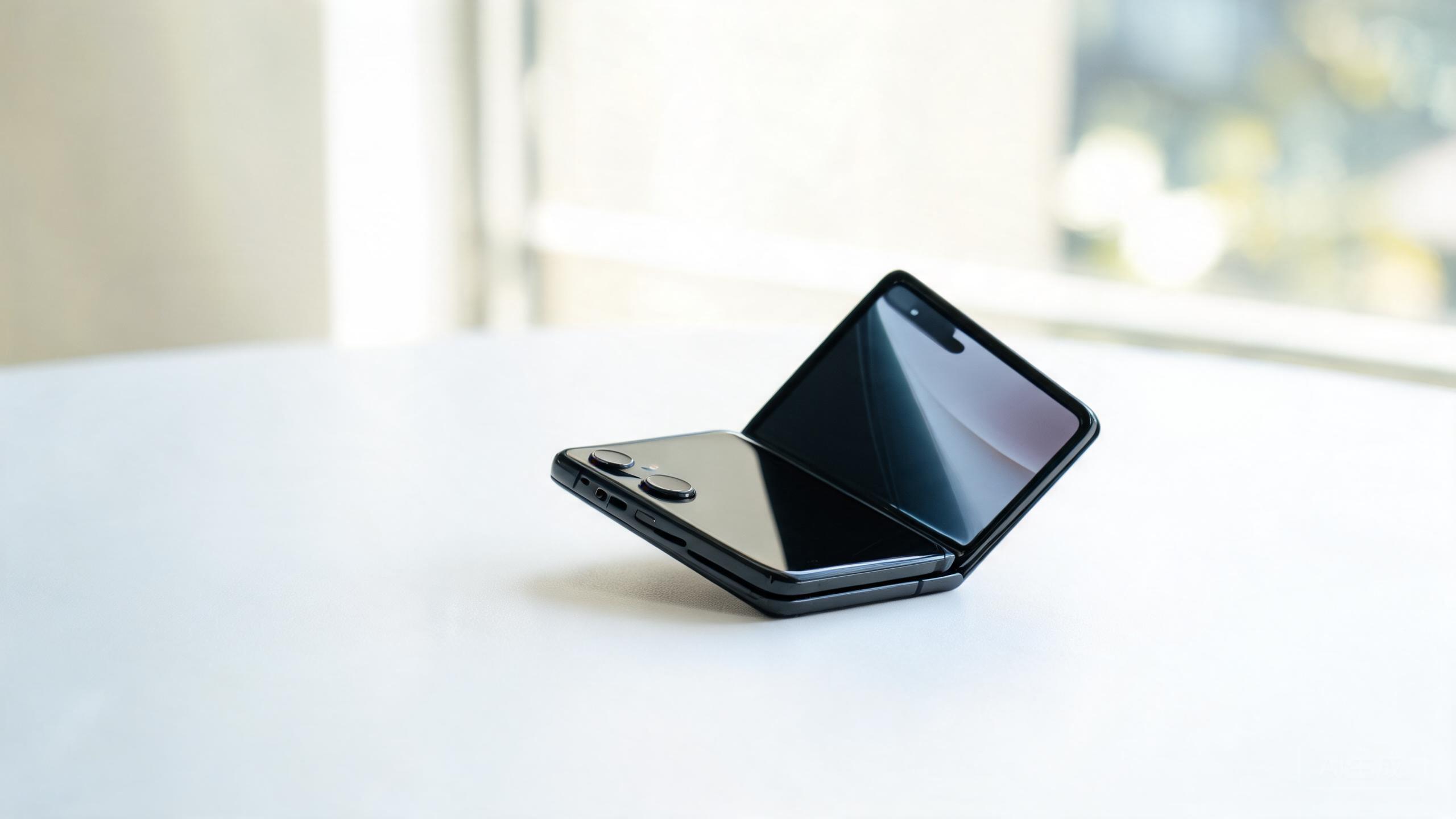
The first folding phones felt like beta hardware. The current generation doesn't. The question is no longer whether they work — it's whether a big screen and a crease are a fair trade for bulk and price.
What's finally good
Hinges are quieter, the crease is far less noticeable, and foldables now get the same software support as the best candybar phones. Multitasking with two apps side by side genuinely beats a normal phone for email, documents, and split-screen browsing.
The honest downsides
Foldables remain expensive and heavier than flagships. The inner screen is softer than glass, cameras rarely match same-price non-folding phones, and dust resistance is still a weak point on most models.
Who should buy one
Power multitaskers, frequent travelers who want a tablet that fits in a pocket, and early adopters who read or watch a lot on their phone will love it. Casual buyers are usually happier with a conventional flagship and an actual tablet.
Our recommended picks
Samsung Galaxy Z Fold 6
The most polished book-style foldable, with excellent multitasking.
Motorola Razr 2025
A clamshell that folds small, with a useful big cover screen.
Google Pixel 9 Pro Fold
Foldable convenience with Google's clean software and camera.
The verdict
Folding phones are finally genuine tools, not experiments. If you multitask heavily or want a pocketable tablet, they're worth it — otherwise a conventional flagship still wins on value.
✓ Pros
- Tablet-sized screen in a pocket
- Mature multitasking
- Long software support now standard
✗ Cons
- Still pricey and heavy
- Inner screen softer than glass
- Cameras trail same-price flagships