
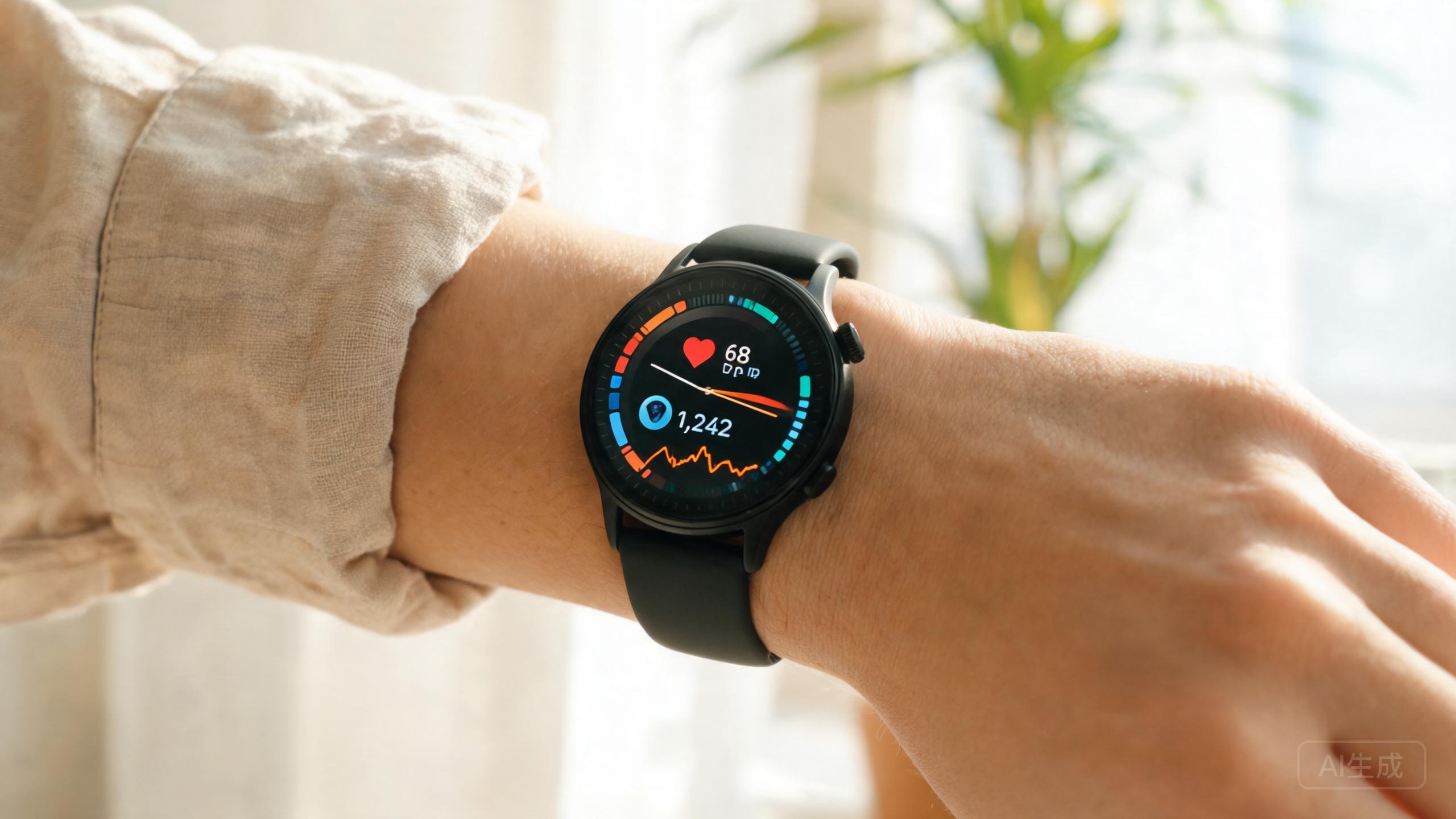
The smartwatch has settled into two jobs: keeping you connected without your phone, and tracking your body all day. The right pick depends on which of those jobs matters more to you.
iPhone vs. Android
If you have an iPhone, the Apple Watch is the obvious and best choice — nothing else integrates as deeply. On Android, Wear OS watches like the Pixel Watch and Galaxy Watch are the natural fit, with Garmin as a fitness-first alternative.
Fitness and health features
Heart-rate tracking, sleep stages, and workout detection are standard. Look for ECG, blood-oxygen, and skin-temperature sensing if health insights matter. Runners and triathletes will find Garmin's training depth unmatched.
Battery reality check
Most full smartwatches last a day or two, so plan for nightly charging. Garmin and some fitness watches stretch to a week or more, which is a big deal if you want continuous sleep tracking without midday gaps.
Our recommended picks
Apple Watch Series 10
The best smartwatch for iPhone owners, bar none.
Google Pixel Watch 3
Elegant design and deep Fitbit health integration for Android.
Garmin Venu 3
Week-long battery and serious fitness depth without losing smart features.
The verdict
Apple Watch for iPhone, Pixel Watch for Android, and Garmin Venu 3 when battery life and fitness tracking lead your list.
✓ Pros
- Rich health and fitness tracking
- Seamless phone notifications
- Broad app and watch-face ecosystem
✗ Cons
- Most need daily charging
- Best features locked to one phone OS
- Small screen for complex tasks